
Dental Veneers: Benefits, Procedure, Risks, and Aftercare

What Are Dental Veneers?

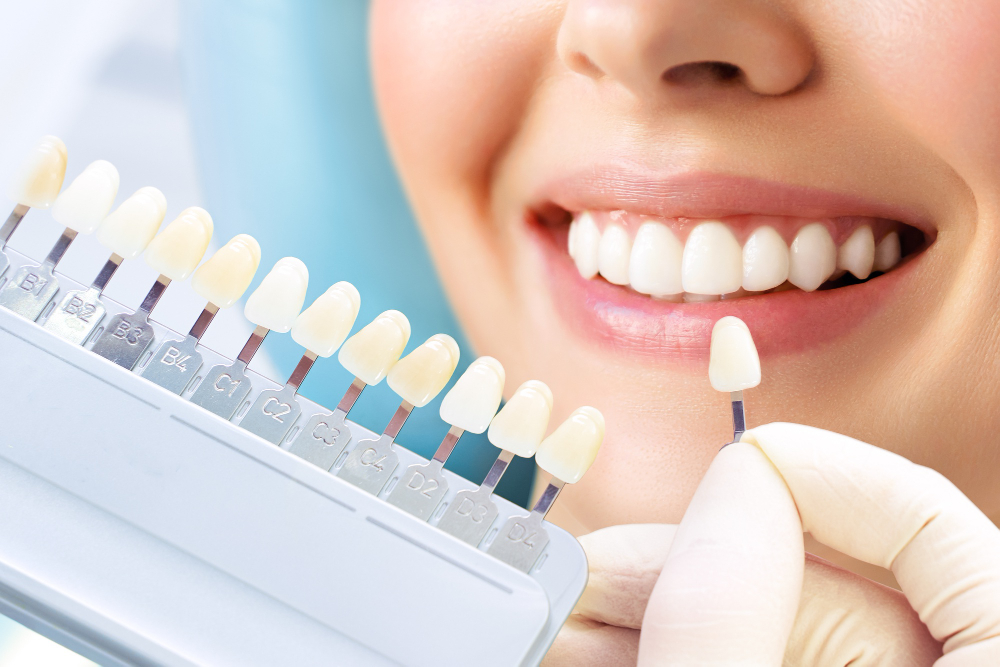
Dental veneers are thin shells made from porcelain or resin. Dentists place them on the front of your teeth. They help improve the look of your smile. Many people choose dental veneers to fix chipped, stained, or uneven teeth. Because veneers look natural, they are a popular choice for cosmetic dental treatments. According to the American Dental Association, veneers can last for many years with proper care.

Benefits of Dental Veneers

Dental veneers offer many advantages. For example, they can:

  • Cover stains that do not go away with whitening
  • Fix small chips or cracks in teeth
  • Make teeth look even and straight
  • Close small gaps between teeth
  • Give you a brighter, more confident smile
  • In addition, veneers are custom-made to match your natural teeth. This means they blend in well and look very real.

    Who Is a Good Candidate?

    Not everyone is a good fit for dental veneers. However, you may be a good candidate if you:

  • Have healthy teeth and gums
  • Do not have severe tooth decay or gum disease
  • Want to fix minor cosmetic issues
  • Do not grind or clench your teeth often
  • Still, your dentist will check your teeth and talk with you about your goals. This helps decide if veneers are the best option for you.

    The Dental Veneer Procedure: Step-by-Step

    Getting dental veneers usually takes two or three visits. Here is what you can expect:

  • Consultation: First, your dentist will check your teeth and discuss your needs.
  • Preparation: Next, the dentist removes a thin layer of enamel from your teeth. This makes room for the veneers.
  • Impression: Then, your dentist takes a mold of your teeth. This helps create custom veneers that fit well.
  • Temporary Veneers: Sometimes, you may get temporary veneers while you wait for the final ones.
  • Bonding: Finally, your dentist places the veneers on your teeth and checks the fit. Once you are happy, the veneers are bonded with a special glue.
  • After the procedure, you can return to normal activities right away.

    Risks and Potential Side Effects

    Dental veneers are safe for most people. However, there are some risks to consider. For instance, you may notice:

  • Tooth sensitivity to hot or cold foods
  • Chipping or cracking of the veneer over time
  • Color mismatch if you whiten your other teeth later
  • Veneers may need to be replaced after several years
  • Although problems are rare, it is important to follow your dentist’s advice. If you notice pain or discomfort, contact your dentist right away.

    Aftercare and Maintenance Tips

    Taking care of your dental veneers is simple. Here are some tips to help them last longer:

  • Brush your teeth twice a day with a soft toothbrush
  • Floss daily to remove food and plaque
  • Avoid biting hard foods or objects, like ice or pens
  • Wear a mouthguard if you play sports
  • Visit your dentist for regular check-ups and cleanings
  • With good care, dental veneers can last 10 years or more.

    Frequently Asked Questions About Dental Veneers

  • Do veneers hurt? Most people feel little to no pain. Some may feel mild sensitivity for a few days.
  • Can veneers stain? Porcelain veneers resist stains. However, resin veneers may stain over time.
  • Are veneers permanent? Veneers are not permanent, but they are long-lasting. You may need to replace them after several years.
  • How much do veneers cost? Costs vary by location and material. Your dentist can give you a detailed estimate.
  • Conclusion

    Dental veneers can give you a brighter, more even smile. They are safe, effective, and look natural. However, it is important to know the risks and care steps.

    Consult a qualified dentist at Revital Dental to find out if dental veneers are right for you.