
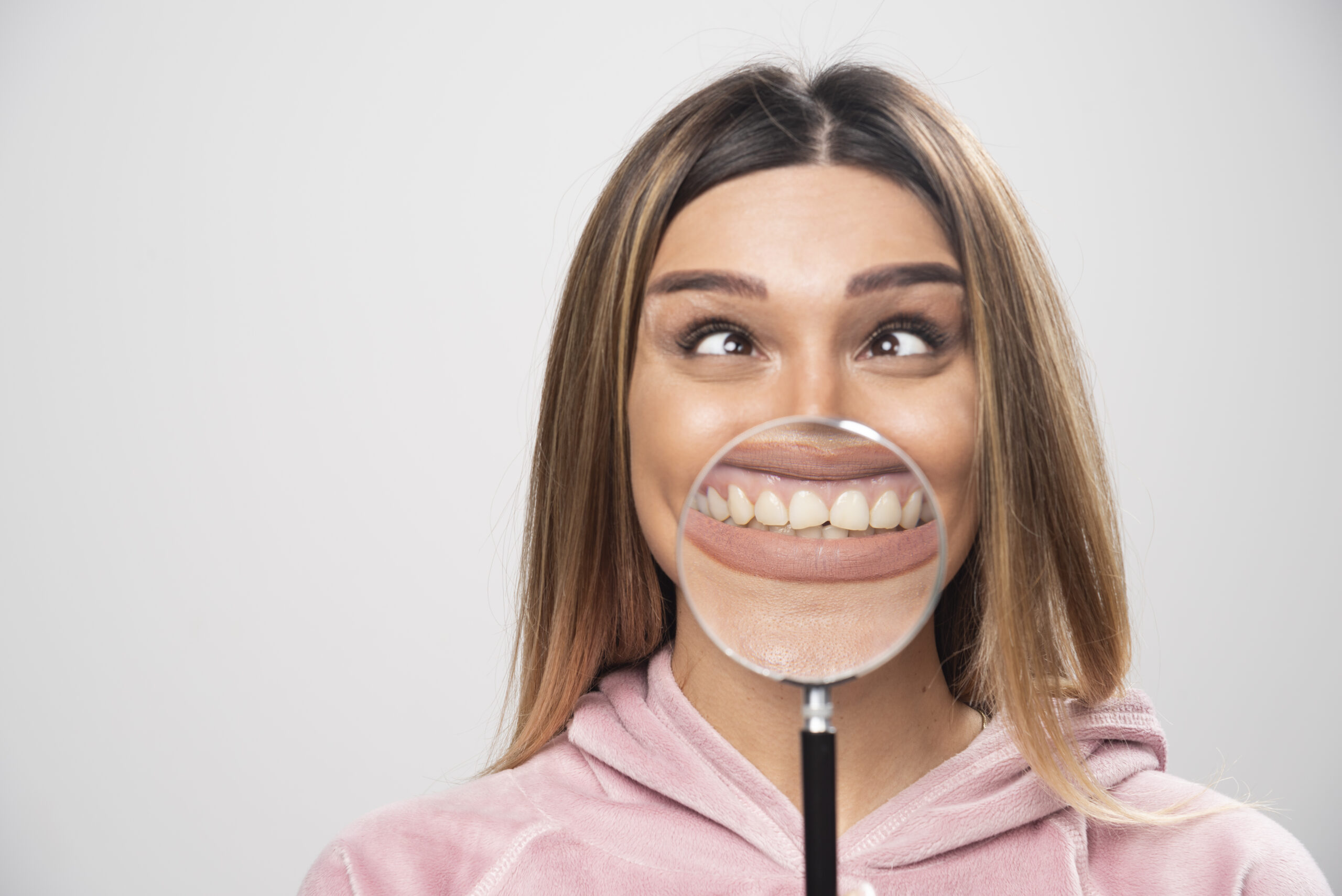
What is Malocclusion?
Malocclusion is a dental term for misaligned teeth or jaws. In simple words, it means your teeth do not fit together properly when you bite. Because of this, you may notice crooked teeth or bite problems. Malocclusion is common, and many people have some form of it. However, some cases are mild, while others need orthodontic treatment. Early care can help prevent future issues.
Common Causes of Malocclusion
There are several reasons why malocclusion can develop. Sometimes, it runs in families. Other times, habits or health issues play a role. For example, thumb sucking or using a pacifier for too long can affect jaw alignment. In addition, losing baby teeth too early or too late may cause dental misalignment. Here are some common causes:
Because these causes vary, it is important to see a dentist for an accurate diagnosis.
Signs and Symptoms
Malocclusion can show up in many ways. Sometimes, the signs are easy to spot. Other times, they are more subtle. For instance, you may notice crooked teeth or an uneven bite. In some cases, you might have trouble chewing or speaking. Here are some common symptoms:
Although some people have no symptoms, regular dental checkups can help catch problems early.
How Malocclusion is Diagnosed
Dentists and orthodontists use several steps to diagnose malocclusion. First, they will ask about your dental history and any symptoms. Next, they will examine your mouth, teeth, and jaw alignment. Often, they will take X-rays or dental impressions to see how your teeth fit together. Sometimes, they may use special tools to measure your bite. Because early diagnosis can prevent complications, it is wise to visit your dentist if you notice any bite problems.
Treatment Options for Malocclusion
Treatment depends on the type and severity of malocclusion. In mild cases, no treatment may be needed. However, moderate or severe cases often require orthodontic treatment. Here are some common options:
Because each person is different, your dentist will suggest the best plan for you. Early treatment can make a big difference in your smile and health.
Prevention and Oral Care Tips
While not all cases of malocclusion can be prevented, good oral care helps reduce risks. For example, teaching children to avoid thumb sucking can protect their bite. In addition, regular dental visits catch problems early. Here are some helpful tips:
Because prevention is easier than treatment, these habits can help keep your teeth healthy and straight.
When to See a Dentist or Orthodontist
If you notice crooked teeth, bite problems, or jaw pain, it is time to see a dental specialist. Even if you have no symptoms, regular checkups are important. Early visits can catch malocclusion before it gets worse. In many cities, you can find malocclusion treatment options nearby. Remember, only a dentist or orthodontist can recommend the right care for you.
Consult a dental specialist at Revital Dental for personalized advice about malocclusion.